英語は書いて、話すと身に付きやすい!!


あなたは、いつも次の冒険を求めている旅行愛好家ですか?世界で最も魅力的な目的地を探索し、その隠れた宝石を発見することを夢見ていますか?それなら、ラッキーです!
私たちは、「一生に一度は訪れたい場所トップ100」の究極のリストを作りました。息を呑むような大自然から、畏敬の念を抱かせる人工の宝物まで、この総合ガイドブックがあなたをサポートします。
また、それぞれの観光スポットにまつわるストーリーや豊かな歴史・文化も紹介されています。次の旅行を計画している人も、単にインスピレーションを得たい人も、このガイドブックはあなたを世界一周の旅に誘い、その美しさと多様性に畏敬の念を抱かせることでしょう。
さあ、バッグに荷物を詰めて、世界の不思議を解き明かす準備をしましょう!
旅は、自分の視野を広げ、周りの世界についてより深く知ることができる、豊かな体験です。近くの町に出かけるにしても、外国を探検するにしても、旅は自分の快適な領域から飛び出して、新しいことを経験することができます。ここでは、旅行の利点をいくつか紹介します:

観光地トップ100を選ぶのは簡単なことではありませんでした。自然の驚異、歴史的建造物、現代の驚異など、多様な目的地を含むリストを作成したかったのです。そのために、以下のような要素を考慮しました:
1.万里の長城:世界で最も象徴的なランドマークの一つである万里の長城は、13,000マイル以上に及ぶ、世界最長の壁です。
2.マチュピチュ:アンデス山脈の高地に位置するペルーの古代インカ帝国の都市で、周囲の景観を見渡すことができる。
3.エッフェル塔:フランス・パリのシンボルであるエッフェル塔は、世界で最もよく知られたランドマークの一つであり、パノラマビューを楽しむことができます。
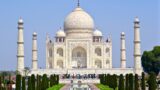
4.タージマハル:インドのアグラにあるこの見事な霊廟は、皇帝シャー・ジャハンが妻ムムターズ・マハルを偲んで建てたものである。
5.グレートバリアリーフ:オーストラリアの沖合に位置するグレートバリアリーフは、世界最大のサンゴ礁システムであり、世界で最高のシュノーケリングとスキューバダイビングを提供しています。
6.ギザのピラミッド:エジプトのこれらの古代の墓は、世界で最も古く、最も印象的な人工的な構造の一部です。
7.エーゲ海に浮かぶこの美しい島は、素晴らしい夕日、白壁の建物、透明な海で知られています。
8.セレンゲティ国立公園:タンザニアに位置するセレンゲティ国立公園には、ライオン、ゾウ、キリンなど、世界で最も象徴的な野生動物が生息しています。
9.カンボジアにあるこの古代寺院群は、世界最大級の宗教的モニュメントであり、その見事な建築と複雑な彫刻で知られています。
10.オーロラ:北極圏と南極圏で見られるこの自然の光のディスプレイは、地球の大気中で荷電粒子と原子が衝突することによって引き起こされ、見事な色彩のディスプレイを作り出します。
1.コロッセオ:イタリア・ローマにある古代円形闘技場で、紀元80年に建設され、剣闘士コンテストや公共の見世物として最大8万人の観客を収容することができた。
2.ルーヴル美術館:モナリザやミロのビーナスなど、世界で最も有名な美術品が展示されています。
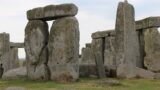
3.イングランド・ウィルトシャーにある先史時代の遺跡で、紀元前3000年から2000年の間に建てられたとされ、謎と憶測に包まれています。
4.アクロポリス:ギリシャのアテネにあるこの古代城塞は、紀元前5世紀に建てられ、いくつかの古代寺院や遺跡がある。
5.スペイン・バルセロナにあるこの未完成のバシリカは、建築家アントニ・ガウディによって設計され、1882年から建設が続けられている。
6.バチカン:イタリア・ローマにあるこの都市国家は、世界で最も小さな国であり、サン・ピエトロ大聖堂やシスティーナ礼拝堂など、世界で最も有名な宗教的建造物のいくつかがある。
7.アンネ・フランクの家:オランダのアムステルダムにあるこの博物館は、第二次世界大戦中にナチスから隠れながら日記を書き続けたユダヤ人の少女、アンネ・フランクの人生と遺産に捧げられています。
8.アイルランド、クレア州にあるこのドラマチックな崖からは、大西洋と周囲の田園地帯の素晴らしい景色を見ることができます。
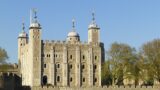
9.ロンドン塔:イギリス・ロンドンにあるこの歴史的な城は、長い歴史の中で、王宮、刑務所、処刑場として使用されてきました。
10.ノイシュバンシュタイン城:19世紀にルートヴィヒ2世によって建てられたドイツ・バイエルン州のおとぎ話のような城で、ディズニーランドの眠れる森の美女の城の設計に影響を与えた。
11.ベルサイユ宮殿:フランス・ベルサイユにあるこの豪華な宮殿は、1世紀以上にわたってフランスの王と女王の権力の座であり、その素晴らしい庭園と建築で知られています。
12.エジンバラ城:スコットランドのエジンバラにあるこの歴史的な城は、12世紀に遡り、スコットランドの歴史において重要な役割を担ってきました。
13.カレル橋:チェコ共和国プラハにあるこの象徴的な橋は、14世紀に遡り、街の素晴らしい景色で知られています。
14.クロアチアにあるこの国立公園は、ターコイズブルーの湖と流れ落ちる滝の美しさで知られています。
15.ピサの斜塔:イタリアのピサにあるこの有名な塔は、その独特の傾きで知られ、人気の観光スポットとなっています。
16.フランス・ノルマンディー地方にあるこの中世の修道院は、小さな島にあり、干潮時にのみアクセス可能です。
17.アイスランドにあるこの地熱温泉は、乳白色の水で知られ、治癒効果があると言われています。
18.バチカン市国にあるこの象徴的な礼拝堂には、ミケランジェロの有名な天井画をはじめ、世界で最も有名なフレスコ画が描かれています。
19.ブランデンブルク門: ドイツのベルリンにあるこの歴史的な門は、18世紀に建てられ、国の統一のシンボルとなっています。
20.ウェストミンスター宮殿:イギリス・ロンドンにあるこの象徴的な建物には、英国議会があり、その素晴らしい建築で知られています。
1.紫禁城:中国・北京にある歴史的な宮殿群で、500年以上にわたって中国皇帝の住まいであり、その素晴らしい建築と芸術作品で知られています。
2.マレーシアのクアラルンプールにある双子の超高層ビルで、かつて世界で最も高い建物であり、街の素晴らしい景色を見ることができます。
3.インドのアグラにあるこの見事な霊廟は、皇帝シャー・ジャハンが妻ムムターズ・マハルを偲んで建てたもので、「タージ・マハル」と呼ばれています。
4.アンコールワット:カンボジアにあるこの古代寺院群は、世界最大の宗教的モニュメントの1つで、その見事な建築と複雑な彫刻で知られています。
5.万里の長城:世界で最も象徴的なランドマークの一つである万里の長城は、13,000マイル以上に及び、世界で最も長い壁である。
6.広島平和記念碑:1945年に広島に投下された原子爆弾の犠牲者を追悼するため、日本の広島にあるこの歴史的な場所は捧げられたものである。
7.ボロブドゥール寺院: インドネシアにあるこの古代の寺院は、世界最大の仏教寺院であり、その素晴らしい建築と複雑な彫刻で知られています。
8.インドのアムリトサルにあるこの見事なシーク教寺院は、金で覆われており、その美しい建築と平和な雰囲気で知られています。
9.ヒマラヤ山脈にあるこの象徴的な山頂は、地球上で最も高い位置にあり、登山家やハイカーにとって人気のある目的地です。
10.ブータンにあるこの仏教僧院は、崖の端にあり、周囲の渓谷の素晴らしい景色を見ることができます。
11.中国の西安にあるこの古代の埋葬地には、何千もの実物大の兵馬俑があります。
12.バトゥ洞窟:マレーシアにあるこの鍾乳洞は、いくつかのヒンドゥー教の寺院や神社があり、巡礼者や観光客に人気のある場所です。
13.マリーナ・ベイ・サンズ:シンガポールを代表するこのホテルとカジノは、屋上のインフィニティプールが特徴で、息を呑むような街の景色を楽しむことができます。
14.済州島:韓国沖に浮かぶ火山島で、美しいビーチ、自然の美しさ、ユニークな文化で知られています。
15.プノンペン王宮:カンボジアのプノンペンにあるこの歴史的な宮殿は、カンボジア国王の公邸であり、その美しい建築と庭園で知られています。
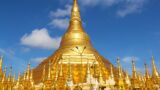
16.ミャンマー・ヤンゴンにあるシュエダゴン・パゴダは、金色に覆われた仏教寺院で、仏陀の遺品が納められていると言われています。
17.富士山は日本の象徴的な火山であり、ハイカーや自然愛好家に人気のある場所です。
18.バタネス諸島:フィリピンのこの離島は、その素晴らしい自然の美しさとユニークな文化で知られています。
19.韓国ソウルにあるこの歴史的な宮殿は、朝鮮王朝時代の主要な王宮であり、その美しい建築と庭園で知られています。
20.**死海:イスラエルとヨルダンの国境にある塩水湖で、塩分を多く含み治療効果があることで知られています。
1.グランドキャニオン:アメリカ・アリゾナ州にあるこの象徴的な自然の驚異は、全長277マイル以上あり、コロラド川と周囲の岩石の素晴らしい景色を見ることができます。
2.自由の女神: アメリカ・ニューヨークにあるこの象徴的な像は、フランスから贈られたもので、自由と民主主義のシンボルとなっています。
3.ナイアガラの滝:カナダとアメリカの国境にあるこの見事な滝は、人気の観光地であり、息を呑むような景色を見ることができます。
4.ゴールデンゲートブリッジ:アメリカ・サンフランシスコにあるこの象徴的な吊り橋は、その素晴らしい建築で知られており、街のパノラマビューを楽しむことができます。
5.ハリウッドサイン:アメリカ・ロサンゼルスにあるこの象徴的なサインは、エンターテイメント産業のシンボルであり、観光客や写真家に人気のある場所です。
6.ラスベガス・ストリップ:ラスベガスにある有名な大通りで、明るい照明、カジノ、エンターテイメントで知られています。
7.アルカトラズ島:米国サンフランシスコ湾に浮かぶこの歴史的な島は、かつて連邦刑務所であったが、現在は人気の観光地となっている。
8.カナダ・トロントのシンボル的存在であるCNタワーは、世界で最も高い独立型建造物の一つで、街の素晴らしい景色を見ることができます。
9.ロッキー山脈:北米にあるこの山脈は、いくつかの国にまたがっており、その素晴らしい自然の美しさとアウトドア活動で知られています。
10.イエローストーン国立公園:米国ワイオミング州にある国立公園で、間欠泉や温泉、野生動物で知られています。
11.スペースニードル:シアトルのシンボル的存在で、周辺地域の絶景を楽しめる。
12.ニューオーリンズ・フレンチクォーター:ニューオーリンズの歴史的な地区で、ユニークな建築物、ジャズ音楽、クレオール料理で知られています。
13.バンフ国立公園:カナダ・アルバータ州にある国立公園で、美しい自然とスキーやハイキングなどのアウトドアアクティビティで知られています。
14.エンパイア・ステート・ビルディング(The Empire State Building):アメリカ・ニューヨークの象徴的な超高層ビル。
15.マウントラッシュモア国立記念館:米国サウスダコタ州にあるこの史跡は、4人のアメリカ大統領の巨大な彫刻が山に彫られている。
16.サンアントニオ・リバーウォーク:サンアントニオにある風光明媚な小道です。